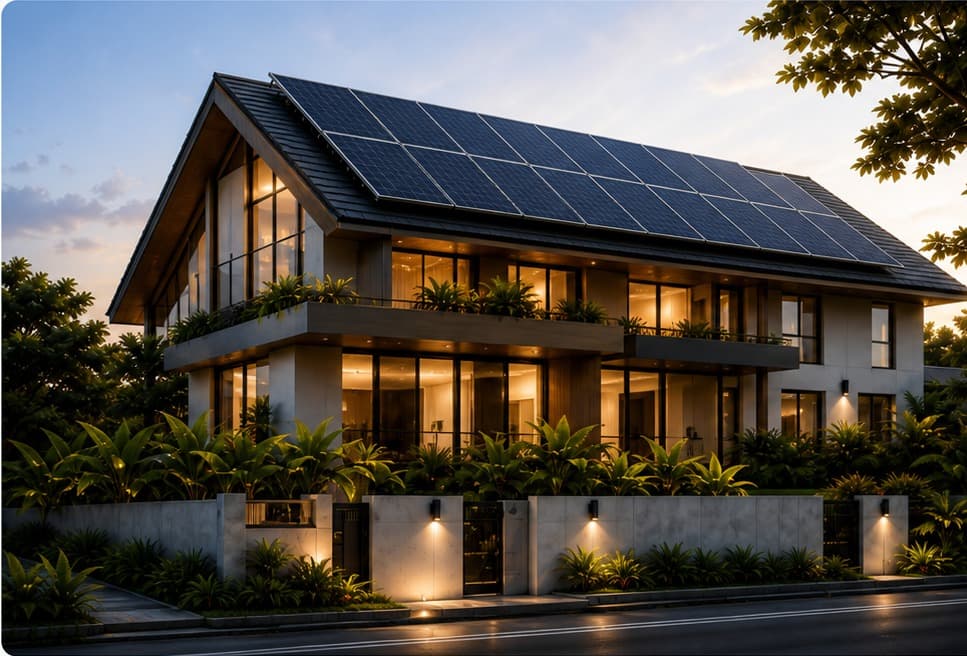
Record Tariff Sparks Retailer Discounts: Your Solar Math Wins
Singapore's electricity tariff hits a record S$0.3478/kWh. Retailers are discounting, but the structural case for rooftop solar has never been stronger.
Why should this article concern you?
- 1
S$0.3478/kWh: Singapore hits a record-high electricity tariff in Q3 2026
- 2
A 10kWp terrace house solar system now saves roughly S$3,100 per year at this tariff
- 3
Retailer discounts will not last; each tariff cycle without solar widens the permanent gap

Singapore's electricity tariff just hit a record high of S$0.3478/kWh inclusive of GST for Q3 2026, and retailers are scrambling to offer discounts to stop customers from noticing. The Business Times reports that a price war is considered unlikely, which means any discount you see today is a short-term gesture, not a structural fix to your bill. By the time you finish reading this, you will see exactly why the retailer discount conversation is the wrong one to be having, and the number that makes solar the only permanent answer.
Singapore's Grid Price Just Set a New Record

The Energy Market Authority confirmed the Q3 2026 regulated tariff at S$0.3478/kWh, the highest Singapore has recorded. To put that in context, the Q2 2026 rate published on data.gov.sg was S$0.2972/kWh, meaning the tariff jumped 17% in a single quarter. Every unit of electricity your terrace house pulls from the grid in July, August, and September costs more than it ever has.
Retailers are responding with promotional discounts, according to The Business Times. A price war, however, is not expected.
Why a Retailer Discount Is the Wrong Prize to Chase
Retailer discounts shave a few percent off a tariff that just rose 17%. You are, at best, treading water. The grid will reprice again in Q4, and the next cycle after that, and the retailer's promotional rate will either expire or quietly track the regulated price upward.
Solar panels do not have a tariff. Every kilowatt-hour your roof generates costs you nothing to consume. At S$0.3478/kWh, every unit your panels produce and you use yourself is a unit you are no longer buying from the grid at the most expensive rate in Singapore history. That gap is permanent, and it widens every time EMA sets a new record.
The export side also works in your favour. SP Group's Solar Crediting Tariff currently pays S$0.2581/kWh for every unit your system exports to the grid. Your panels are earning while the rest of the street pays record prices.
Note: The SCT export rate is reviewed periodically by EMA and may change. Confirm the current rate at the EMA solar crediting page before finalising your system economics.
Your Terrace House Numbers at the Record Tariff
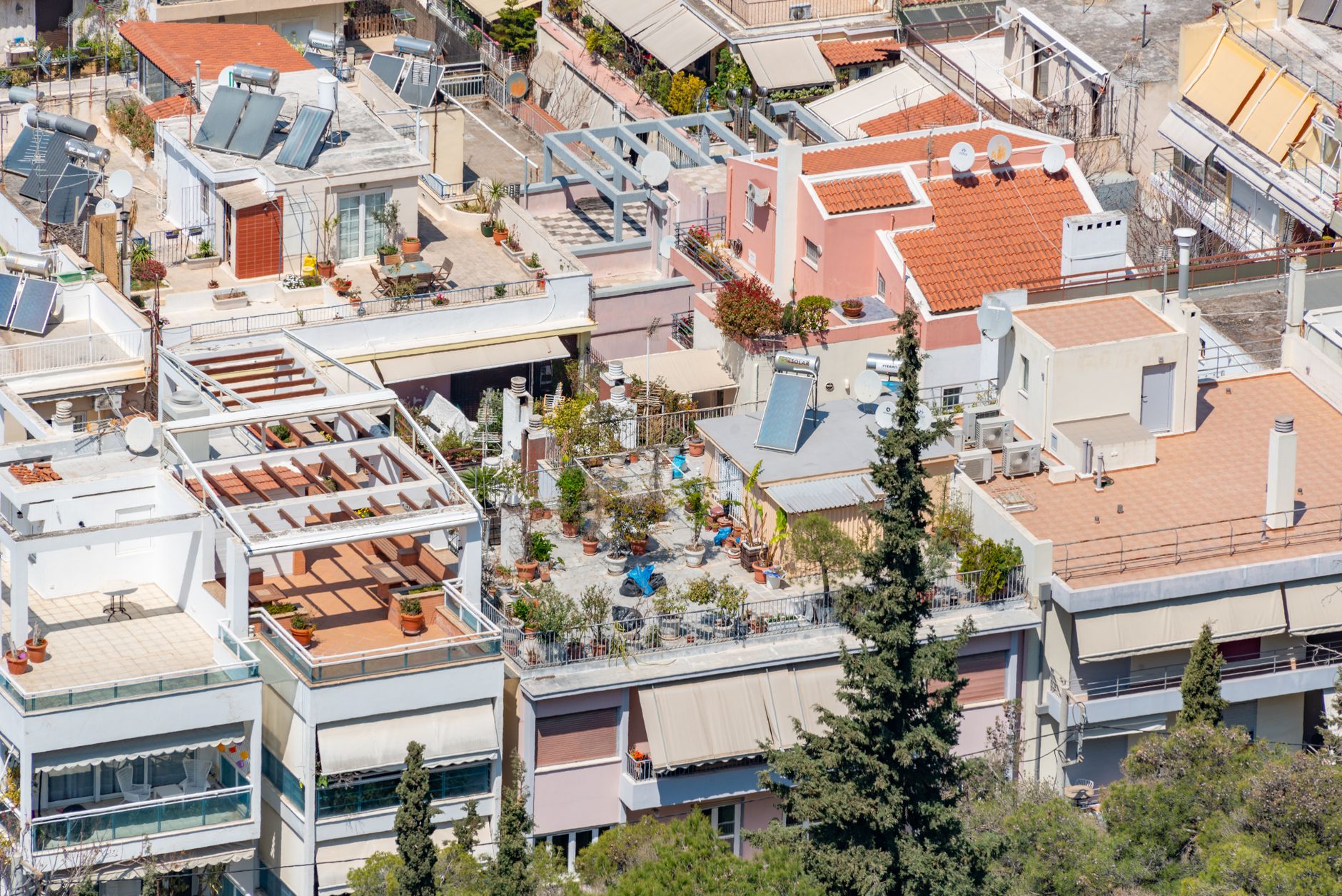
Take a standard 10kWp system on your terrace house. At Singapore's 1,580 kWh/m²/year irradiance and typical system losses, that setup generates approximately 11,060 kWh/year (Sunnify estimate). Split across 25% self-consumption and 75% export, you save S$961/year on grid purchases and earn S$2,142/year in SCT credits, totalling roughly S$3,100 per year.
Over ten years, that is approximately S$31,000 in avoided costs and export income before accounting for any future tariff increases. A system at this size costs between S$10,000 and S$16,000 installed (Sunnify estimate), putting payback between 3.2 and 5.2 years. See what the numbers look like for your specific roof at the Sunnify solar estimate tool.
Lock In Now While the Gap Is at Its Widest
Every tariff increase that passes is a permanent gap between what solar owners pay and what you pay. It does not close when you eventually install. It just stops growing.
Here is the insight that matters. When you opened this article, you thought the story was about retailer discounts. The real story is that the regulated tariff just printed its highest number ever, and the retailers offering you a small trim on that number are confirming it is structural, not temporary. They would not be discounting if they thought the price was coming back down.
Picture next January. SP Group publishes Q1 2027 rates. You glance at the headline. Your panels have already generated another 2,765 kWh of free electricity since July, and exported another 8,295 kWh to the grid at S$0.2581/kWh. The tariff announcement is background noise. For anyone still on the grid, it is another bill increase. For you, it is irrelevant.
The homeowners who installed 18 months ago are already on the right side of this. Every quarter you wait, the cumulative savings they have banked grows and you cannot recover it. That is not a scare tactic. It is the arithmetic of a fixed investment against a rising variable cost.
When you run your estimate, pay attention to the tariff sensitivity input. At the historical average increase of 3-5% per year, the 25-year savings on a 10kWp system stretch well past S$80,000. Read the full return-on-investment breakdown at the Sunnify ROI guide, then come back and lock in a quote while panel prices remain near their 10-year low.
Will retailer electricity discounts affect my solar payback calculation?
No. Retailer discounts apply only to grid-sourced electricity and are promotional, not contractual over the long term. Your solar payback calculation is based on the regulated tariff rate, which is the floor price and the benchmark used by EMA. Discounts typically track the regulated tariff over time, so the structural savings from solar remain intact. Use the Sunnify calculator with the current regulated rate of S$0.3478/kWh for an accurate payback figure.
Is now a good time to install solar in Singapore given the record tariff?
The record tariff at S$0.3478/kWh means every unit your panels generate is worth more than at any previous point in Singapore's electricity history. Combined with system costs near a 10-year low and the SCT export credit at S$0.2581/kWh, the financial case is as strong as it has ever been. The EMA publishes tariff data at ema.gov.sg, and you can check whether your roof qualifies at the Sunnify roof suitability guide.