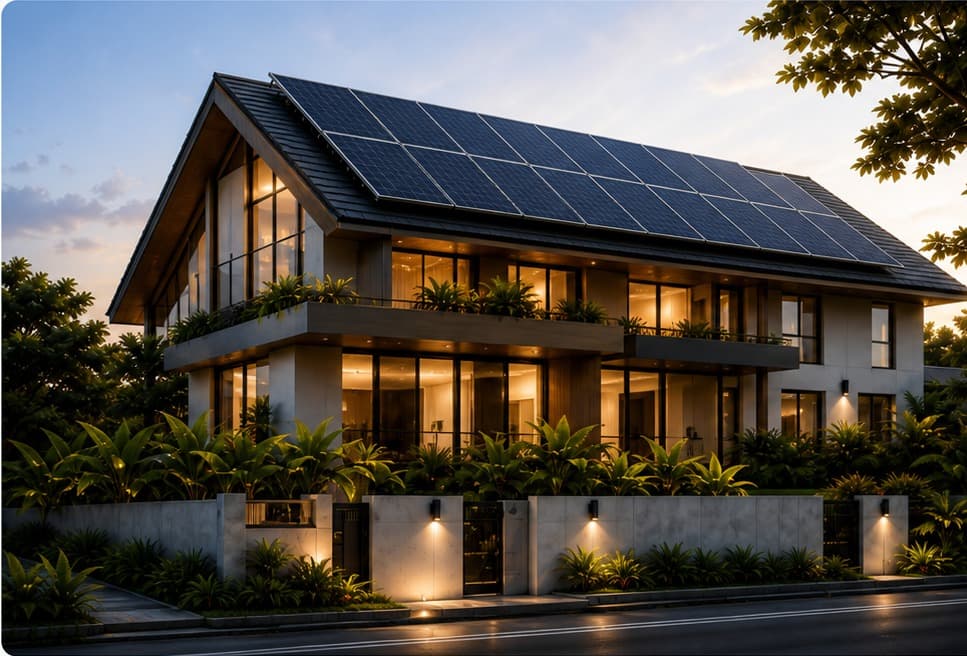
Record Tariff at S$0.3478: Your Fixed Plan or Solar?
Singapore's Q3 2026 electricity tariff hits a record S$0.3478/kWh. Here is why solar beats a fixed-price plan every time.
Key Takeaways
- 1
S$0.3478/kWh: Singapore's Q3 2026 tariff is the highest on record, per EMA.
- 2
A 10kWp terrace house solar system saves roughly S$3,100 per year at this rate.
- 3
Each quarter you pay the grid at record rates is a permanent loss solar cannot recover.

Singapore's electricity tariff just hit S$0.3478/kWh for Q3 2026, the highest rate on record, and CNA is asking whether you should lock in a fixed-price plan before it goes higher. That is the wrong question. By the end of this, you will see why the fixed-plan debate is a distraction, and where the real decision actually sits.
Singapore's Grid Price Just Broke Its Own Record

The Energy Market Authority confirmed the Q3 2026 regulated tariff at S$0.3478/kWh inclusive of 9% GST, up from S$0.2972/kWh in Q2 2026. That is a jump of more than 17% in a single quarter.
To put that in numbers your terrace house can feel: a household drawing 800 kWh per month now pays S$278 every month, versus S$238 last quarter. That is S$480 extra per year from one tariff revision alone.
Fixed Plans Lock In Pain. Solar Locks In Freedom.
A fixed-price electricity plan caps your rate for 12 or 24 months, which sounds like relief when tariffs spike. The problem is you are still paying a retailer for every single unit you consume, at a rate negotiated during a period of record highs.
Solar generation costs you nothing per kWh after installation. Your panels do not negotiate with SP Group. They do not file quarterly reviews with the EMA. They generate at S$0.00/kWh from sunlight that hits your roof whether the tariff is S$0.25 or S$0.45.
Every tariff increase widens the gap between what a solar owner pays and what you pay. A fixed plan narrows that gap slightly for a year or two. Then it expires, the market resets, and you are back at the mercy of Q-whatever 2028.
Note: The SCT export credit rate of S$0.2581/kWh is set by formula and reviewed separately from the regulated tariff. Confirm the current rate with your installer or at EMA before finalising your system economics.
What This Record Rate Does to Your Terrace House Numbers
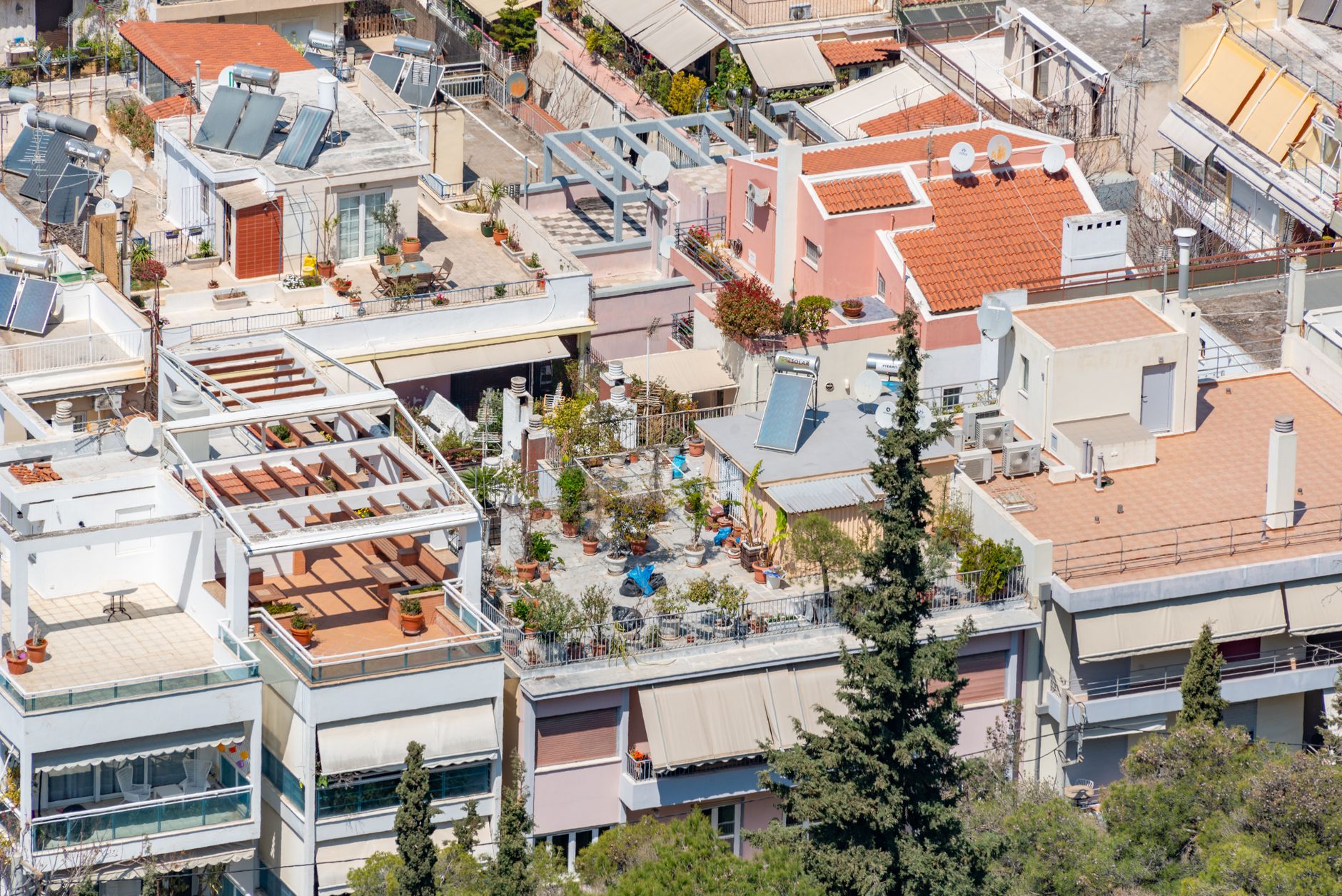
Run the Sunnify model for a standard 10kWp system on a Singapore terrace house. Annual generation sits at roughly 11,060 kWh (at 1,106 kWh/kWp, Sunnify estimate based on 4.33 peak sun hours and standard system losses).
At 25% self-consumption, you avoid buying 2,765 kWh from the grid per year, saving S$961 at today's record rate. The remaining 75%, or 8,295 kWh, exports to SP Group at S$0.2581/kWh, earning S$2,142 per year. Total annual benefit: S$3,103 per year, Sunnify estimate.
A 10kWp system costs between S$10,000 and S$16,000 installed (Sunnify estimate, S$1,000 to S$1,600/kWp). At the midpoint of S$13,000, payback lands at roughly 4.2 years. Then you have 20 years of free generation ahead of you, while fixed-plan subscribers are still negotiating their next contract.
Step up to a 15kWp system, which fits most two-storey terrace rooftops with reasonable orientation, and the numbers shift further. Annual generation reaches 16,590 kWh, saving roughly S$4,656 per year (Sunnify estimate). Payback on a S$18,000 midpoint system: approximately 3.9 years. You can run your own estimate using your actual roof size and orientation to see where your number lands.
According to CNA, Singapore consumers are now actively asking whether to lock in electricity rates. The question itself reveals how normalised grid dependence has become. Locking in a rate is a defensive move. Installing solar is an offensive one.
The Number That Changes When You Install
Every quarter you spend debating fixed plans is a quarter you paid the grid full price for electricity your roof could have generated for free.
Here is the insight the fixed-plan discussion misses entirely: the tariff your panels displace is not just today's S$0.3478/kWh. Singapore's regulated tariff has risen at an average of 3% to 5% per year historically, per data.gov.sg tariff records. Your solar system does not care. It keeps generating at S$0.00/kWh in Q3 2031, Q3 2036, and Q3 2046.
The Zeigarnik loop from the opening: the right question is not fixed plan versus variable tariff. The right question is grid versus no grid. When you frame it that way, the debate collapses.
When you pull up your next electricity bill and see S$0.3478/kWh, the solar owner across the road sees that headline and feels nothing. Their panels generated through the quarter. Their bill barely moved. That is not a lucky outcome. That is what happens when you stop renting electricity and start making it.
Every quarter this record tariff holds is a permanent S$775 gap (at 10kWp, Sunnify estimate) between what you paid and what a solar owner paid. Installing later does not recover that. It just stops the gap from growing. Read the full ROI breakdown at are solar panels worth it in Singapore and see the 25-year picture in full.
Does the record tariff change my solar payback period?
Yes, directly. A higher tariff means each kWh your panels generate is worth more in avoided grid cost. At S$0.3478/kWh versus last quarter's S$0.2972/kWh, a 10kWp system's self-consumption savings alone increase by roughly S$140 per year (Sunnify estimate). That shortens payback by approximately 0.3 to 0.5 years depending on your system size and self-consumption ratio. Run the numbers for your specific terrace house at the Sunnify calculator.
Is a fixed-price electricity plan better than solar for a Singapore landed home?
A fixed-price plan caps your tariff for a contract term, typically 12 to 24 months, but you still pay a retailer for every unit you consume. Solar eliminates the cost of generation entirely for units your panels produce, and earns export credits via SP Group's Solar Crediting Tariff at S$0.2581/kWh for surplus. Over a 25-year panel lifespan, solar generates returns a fixed plan cannot approach. The full ROI comparison lays out the difference in detail.
See your numbers
What does this mean for your home?
Tariffs and technology change the math. The calculator uses current SP figures to show your actual payback and savings.