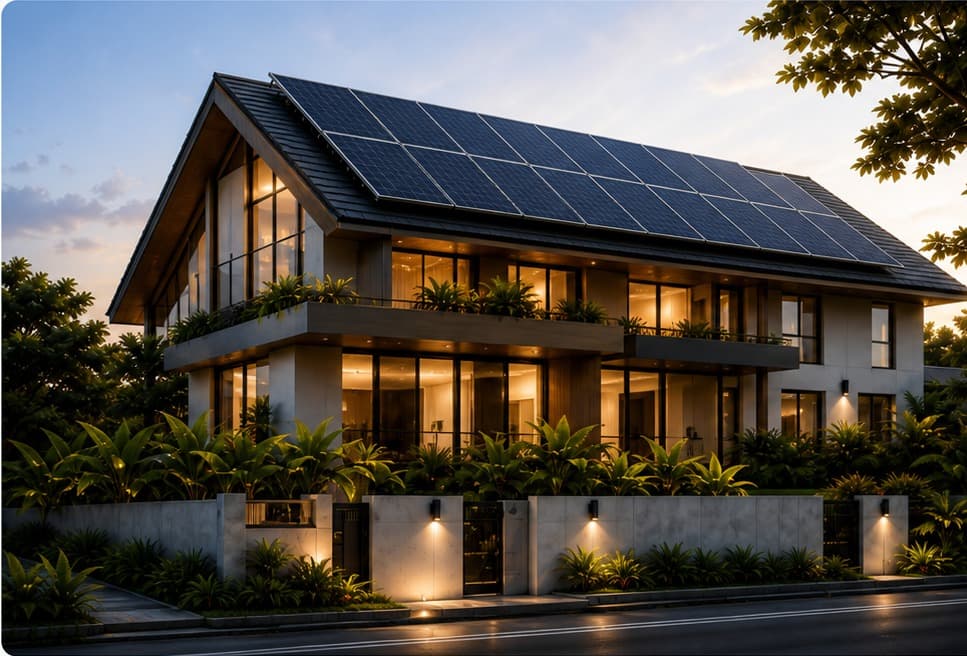
Semi-Detached House Solar Singapore: The Corner Advantage Explained
Semi-detached houses offer more solar potential than terraces, particularly corner units with three exposed roof faces. A 14kWp semi-D system delivers S$4,400 per year in savings with a 4.1-year payback, and the East-West split strategy raises daytime self-consumption for households occupied from morning through afternoon.
Key Takeaways
- 1
A corner semi-D in Singapore can fit 10 to 16kWp of solar across its three exposed roof faces — significantly more than an intermediate terrace
- 2
The East-West panel split on a corner semi-D spreads generation across more of the day, boosting self-consumption by 5 to 10 percentage points versus a south-only system
- 3
A 14kWp semi-D system at S$18,200 saves approximately S$4,400 per year and pays back in 4.1 years at the Q3 2026 tariff

Semi-detached houses in Singapore present a better solar opportunity than the equivalent terrace, for one reason that most homeowners and many installers overlook: the corner unit advantage. A corner semi-D has three exposed roof faces rather than two, and those faces often include east and west-facing pitches that allow a split-array design. The result is more panels, a wider generation window across the day, and better self-consumption economics than a system with all panels facing the same direction.
Corner vs Non-Corner: The Difference in Practice
A non-corner (intermediate) semi-D shares one party wall with its pair and has a similar roof profile to a wide terrace: two main pitches (north-south or at some angle depending on the lot orientation) and a usable area of typically 70 to 100 sqm. This supports approximately 10 to 14kWp of solar.
A corner semi-D has no party wall on the corner side, giving access to a third roof face. Depending on the lot orientation and design, this third face may be east or west-facing. Usable roof area typically expands to 90 to 130 sqm, supporting 14 to 20kWp if all faces can be used. The economics improve both through larger system size and through better self-consumption from the east-west spread.
Why the East-West Split Matters for Self-Consumption
A system with all panels facing the same direction (say, south) produces a generation curve that peaks sharply around solar noon and falls off on either side. For households where both adults are at work from 8am to 6pm on weekdays, solar noon generation flows mostly to export rather than self-consumption.
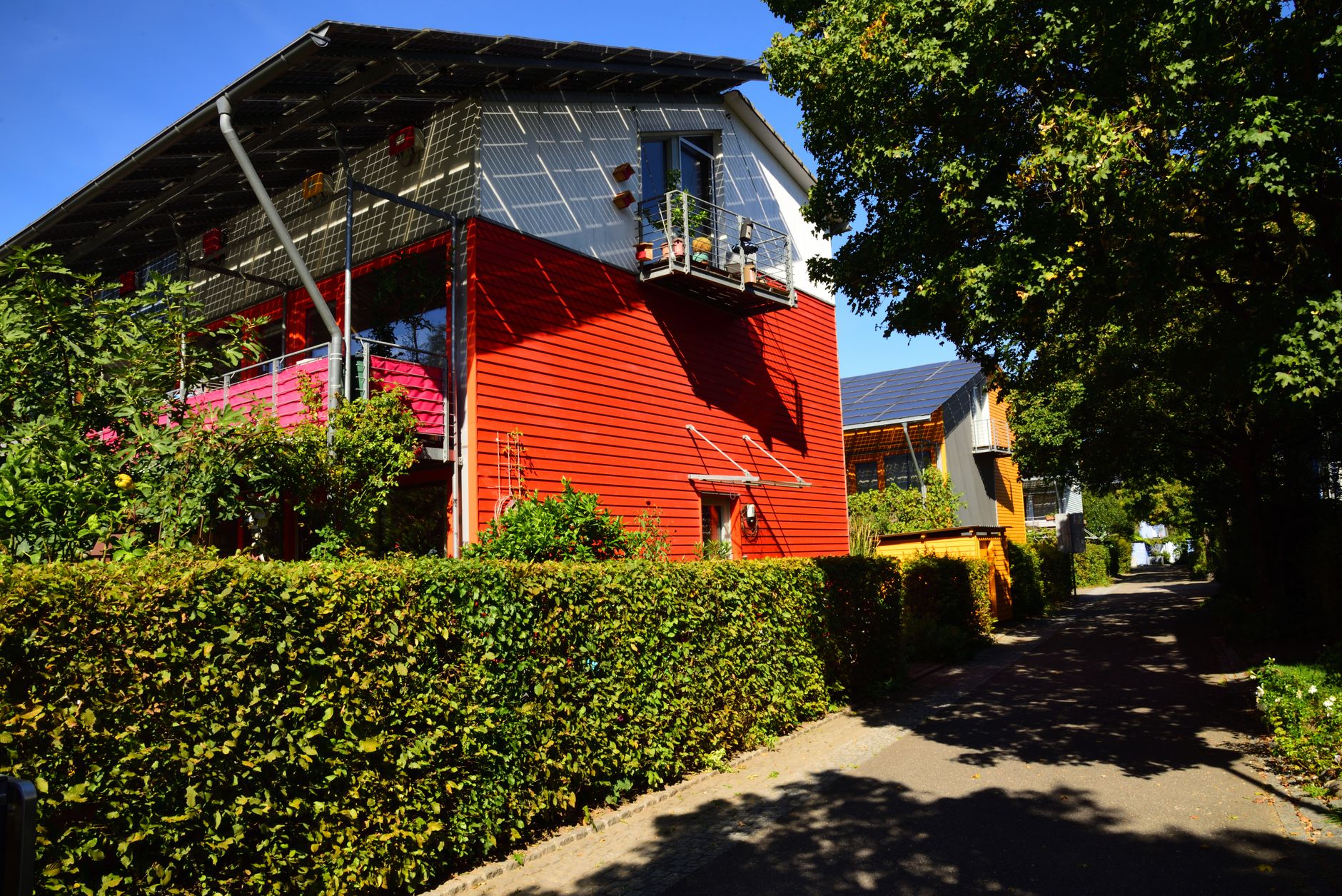
Split the panels between an east face and a west face, and the generation curve flattens and widens. East panels start generating strongly from 7am. West panels continue generating into late afternoon, after 5pm. For a household with a domestic helper who is home all day, or for adults working from home, this wider generation window means more of the electricity lands during occupied hours when appliances and aircon are running. The result: self-consumption ratio rises from around 25% to 30 to 40%, and since each self-consumed kWh saves S$0.3478 versus S$0.2581 for exported power, that difference compounds significantly over time.
A 14kWp corner semi-D system with an east-west split and 35% self-consumption saves approximately S$4,700 per year versus S$4,400 for the same system with all panels south-facing at 30% self-consumption. The additional S$300 per year over 25 years adds S$7,500 to the total return, for zero additional cost.
Semi-D vs Terrace: Who Gets Better Economics?
The economics per dollar invested are similar between a terrace and a semi-D, the cost per kWp is roughly flat, and the payback period is 4.0 to 4.2 years for both. The semi-D advantage is in absolute return: more roof area, more panels, more generation, more total savings. A well-configured corner semi-D at 16kWp saves approximately S$5,200 per year versus S$3,100 for a 10kWp terrace, and the 25-year net return is proportionally larger.
The semi-D also tends to have larger household electricity consumption (more bedrooms, more aircon zones, often a helper), which improves the self-consumption ratio across all system sizes compared to a smaller terrace household. This makes the economics slightly more favourable on a per-kWp basis, not just in absolute terms.
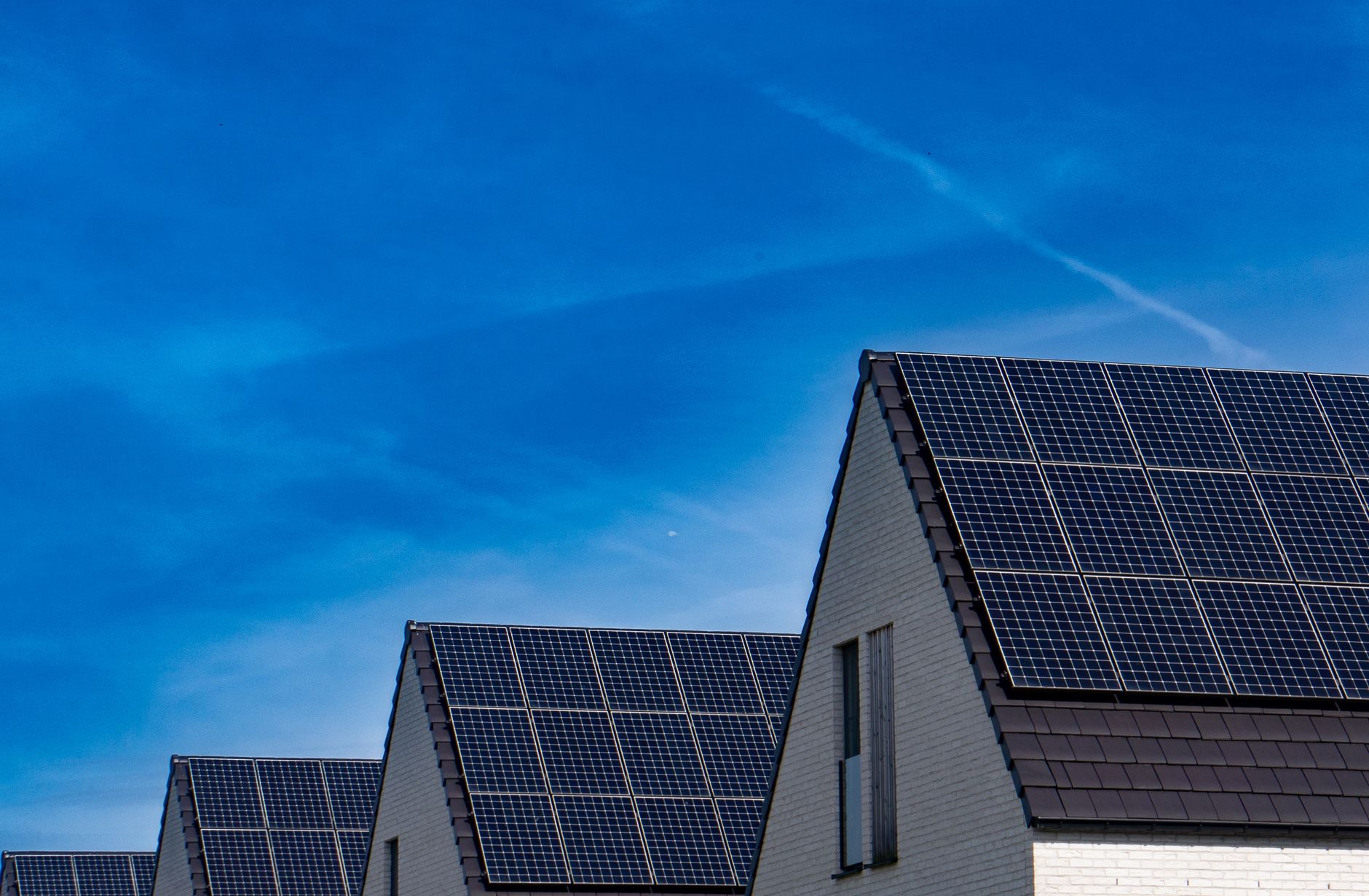
The corner semi-D is the most overlooked solar opportunity in Singapore. Three exposed roof faces, a larger household load, and the option to split east-west — the economics are better than a terrace in almost every configuration.
To see exact generation and savings for your semi-D's roof, run the Sunnify estimate tool, it factors in your roof orientation and area available. The full cost guide covers system sizes from 6kWp to 20kWp with worked examples.
Further reading: BCA Green Mark for landed homes · EMA solar PV system application.
Does the party wall between semi-D pairs need any modification for solar installation?
No. Solar panels are installed only on the roof faces that belong to your property. The party wall and shared structure between the two semi-D units are not involved in the installation. Each owner of a semi-D pair can independently install solar on their own roof faces, with separate LEW sign-offs and SP Group registrations. There is no requirement to coordinate with or obtain permission from your semi-D neighbour, as the roof above your unit belongs to you.
What happens to the east-west split if one side gets shaded by a neighbouring tree?
Shading on one array face reduces that face's output but does not affect the other face if they are on separate inverter strings or separate microinverters. This is one of the cases where a string inverter with power optimisers (like SolarEdge) or a microinverter solution is worth considering for a corner semi-D with known shading risk on one face. A site survey should identify any shading sources and the installer should design the string configuration to minimise the impact.
See your numbers
What does this mean for your home?
Tariffs and technology change the math. The calculator uses current SP figures to show your actual payback and savings.