10kWp Terrace: String or Microinverter Saves More in Singapore
String inverter or microinverter for your Singapore terrace? This guide covers cost, shading impact, and the exact decision rule for your roof.
Why should this article concern you?
- 1
Microinverters add S$2,000 to S$4,000 to a 10kWp Singapore system versus string inverters.
- 2
A shaded terrace roof loses up to 30% of generation with a string inverter; microinverters recover most of it.
- 3
Choose the wrong inverter and you pay SP Group S$0.3478/kWh for electricity your panels already tried to make.

The inverter decision is where most Singapore terrace homeowners leave money on the table. Your panels convert sunlight to DC electricity, but your home runs on AC, and the inverter is what bridges that gap. Pick the wrong architecture for your roof and you could hand back thousands of dollars in lost generation every year, paying S$0.3478/kWh to SP Group for electricity your panels were already trying to make. By the end of this guide, you will know exactly which inverter type your roof calls for, and why the answer is not always the more expensive one.
How Each Inverter Type Actually Works

A string inverter connects all your panels in a series circuit, like a chain, and converts the combined DC output to AC at one central unit. It is simple, proven, and the most cost-effective architecture for a clean, unobstructed roof. The catch is that the weakest panel in the string drags down the entire chain.
Microinverters work differently. Each panel gets its own dedicated inverter, typically mounted directly on the module. Every panel operates independently, so a shadow on one does not affect its neighbours. According to PV Tech, panel-level power electronics have become the standard recommendation wherever shading or mixed orientations exist.
DC optimisers, offered by brands like SolarEdge and Tigo, sit between those two options. They add panel-level electronics that maximise each module's output before the current travels to a central string inverter. You get most of the shading resilience of microinverters without paying for full panel-level inversion.
Key Finding
Microinverters add S$2,000 to S$4,000 to a 10kWp Singapore system versus string inverters.
The Shading Problem Is Bigger Than You Think
Singapore's landed housing stock was not designed with solar strings in mind. Neighbouring blocks, mature trees, water tanks, and air-conditioning ledges can throw shadows across a terrace roof at different angles throughout the day. On a string inverter, a shadow covering just 10% of one panel can cut the output of the entire string by up to 30%, depending on how many panels share that string.
Run that through Singapore's irradiance numbers and it becomes a real cost. A 10kWp system on a clear terrace roof generates roughly 11,060 kWh per year (Sunnify estimate, based on 1,106 kWh/kWp average yield). Lose 30% of that to string drag and you are down to 7,742 kWh, forfeiting about 3,318 kWh of generation annually.
At S$0.3478/kWh for self-consumed units and S$0.2581/kWh export credit from SP Group's Solar Bonus Scheme, that lost generation costs you between S$856 and S$1,153 per year. Over a 25-year panel lifespan, you are looking at S$21,000 to S$28,000 in forgone value, dwarfing the cost difference between inverter types.
Note: Shading loss percentages depend on string configuration, shading angle, and time of day. Ask your installer to run a site-specific shade analysis using a tool like SolarEdge Designer or Aurora Solar before committing to any inverter architecture. Confirm EMA-approved inverter models at the EMA website.
The Cost Difference and What It Buys You
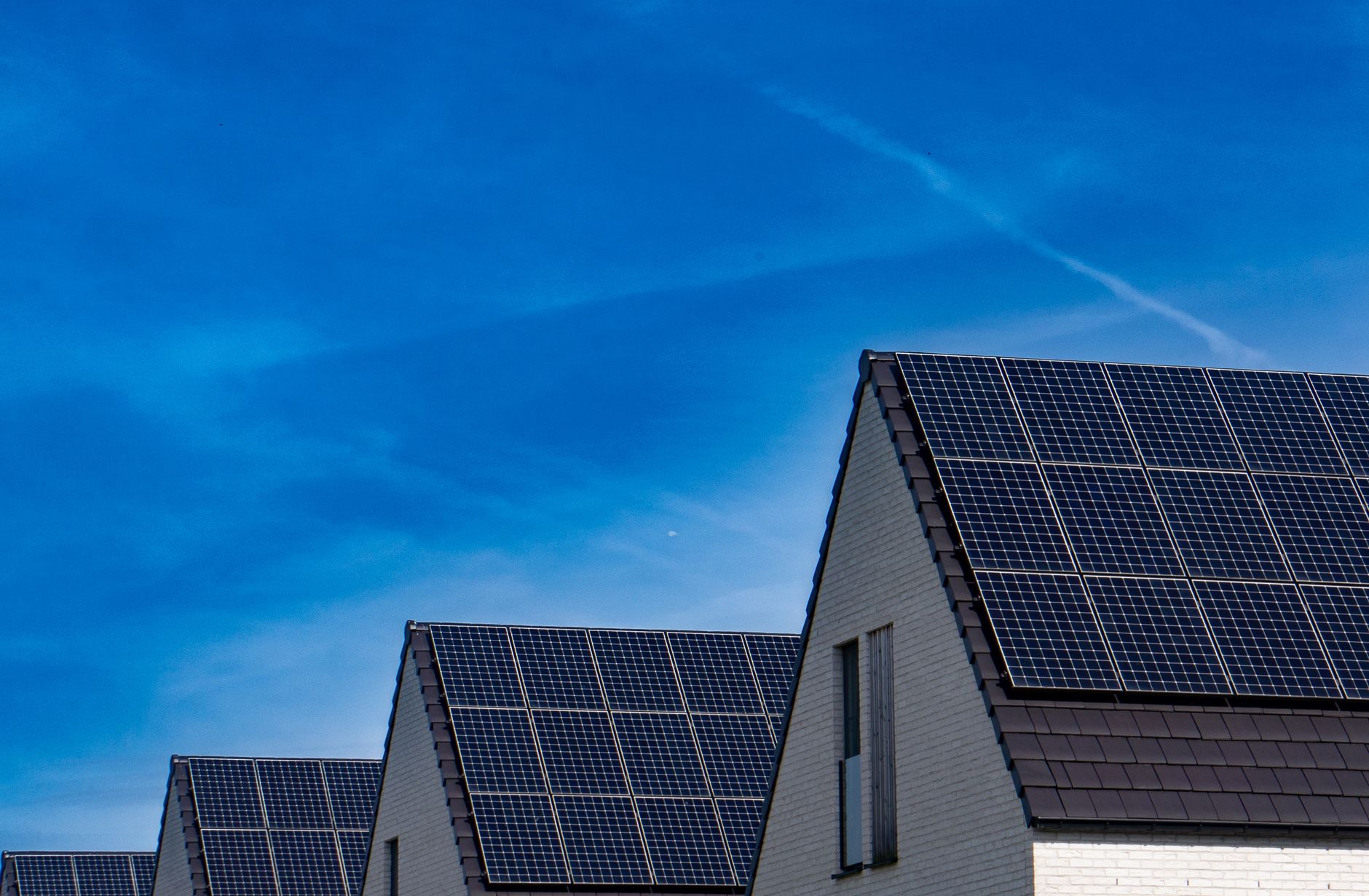
Microinverters typically add S$2,000 to S$4,000 to a 10kWp system compared to a quality string inverter. Enphase IQ8 series, the most common microinverter brand installed in Singapore, sits at the higher end of that range for a full residential system. DC optimisers from SolarEdge add roughly S$1,000 to S$2,000 above a basic string setup.
On an unshaded roof with a single consistent orientation, that premium earns you almost nothing in extra generation. The string inverter will capture virtually the same energy, and the payback period on a 10kWp string system, estimated at 3.2 to 5.2 years at current tariffs (Sunnify estimate), remains intact.
Spending an extra S$3,000 on microinverters for a clean roof simply extends payback without adding generation. On a shaded or complex roof, the calculation flips. If microinverters recover S$1,000 or more in annual generation, the S$3,000 premium pays back in three years and every year after that is pure gain. IEA solar PV data consistently shows that system yield optimisation matters more than headline panel efficiency for residential installations in high-irradiance, partial-shade conditions like Singapore.
The Decision Rule: One Question Settles It
Your roof is more than 10% shaded during peak generation hours (roughly 9am to 4pm)? Use microinverters or DC optimisers with SolarEdge. No argument, no compromise.
Your roof is clean, consistently oriented, and shade-free? A string inverter from an EMA-approved brand, Sungrow, Fronius, or SMA, gives you the same generation at lower cost. Spend the saving on more panels or a battery ready-configuration instead.
Mixed orientations, say east-facing and west-facing panels on the same system, also favour microinverters. A string inverter cannot handle panels peaking at different times of day without significant string drag losses.
Microinverters let each panel do its best work regardless of what the rest of the roof is doing. That independence is what the S$2,000 to S$4,000 premium actually buys you.
When you see the generation gap between a mismatched inverter and the right one, the S$3,000 decision becomes obvious.
Close the loop on what this guide promised at the start: the answer is not always the more expensive inverter. For a straightforward Singapore terrace with a single-pitch unshaded roof, a string inverter is the financially correct choice. The premium technology earns its cost only when the roof demands it. That is the insight most inverter conversations miss.
Picture your terrace house on a Tuesday in January, 10am. Your panels are at peak generation. If you chose the right inverter architecture, every panel is working at its rated output regardless of that one shadow from the neighbour's water tank. Your bill from SP Group for that month reflects it. When you run your estimate on your roof, use the shading input field honestly. That single input determines which inverter column of the comparison table you belong in.
Each month you wait with the wrong inverter installed, or with no solar at all, the grid charges you S$0.3478/kWh for every unit your roof could have made for free. That does not recover. Read the full Singapore solar ROI breakdown to see how inverter choice feeds into your 25-year return.
That 25-year return is yours to keep, starting the month your installer commissions the right system for your specific roof.
What does this mean for your home?
- Audit your roof for shade before choosing an inverter. Walk your roof at 10am and 2pm, note any shadow from trees, tanks, or neighbouring structures, and share photos with at least two installers. If shade covers more than 10% of your panel area, request a microinverter or DC optimiser quote alongside the string option.
- Demand a generation model for both architectures. A credible installer can run shade-adjusted yield simulations for string versus MLPE on your specific roof. The difference in projected annual kWh tells you directly whether the S$2,000 to S$4,000 microinverter premium earns its keep over your 25-year system life.
- Run the numbers for your roof. Use the Sunnify solar estimate to see how inverter type, shading, and orientation interact with your specific roof size and Singapore's S$0.3478/kWh tariff.
Are microinverters worth it for a Singapore terrace house?
Microinverters are worth it when your terrace roof has any meaningful shading, mixed panel orientations, or a complex shape with multiple pitch angles. On a clean, single-orientation roof, a quality string inverter captures effectively the same generation at a lower total system cost. The practical rule: if more than 10% of your roof area is shaded during peak hours, microinverters or DC optimisers will recover more in annual generation than their premium costs over the system lifespan. See the full Singapore solar ROI guide for how this feeds into payback period.
Which inverter brands are approved for Singapore solar installation?
The Energy Market Authority maintains a list of approved inverters for grid-connected solar PV systems in Singapore. Commonly installed brands that appear on the EMA-approved list include Sungrow, Fronius, SMA, SolarEdge (with DC optimisers), and Enphase (microinverters). Verify the current approved list directly on the EMA website. Always confirm your chosen model is on the current approved list before signing an installation contract, as EMA updates the list periodically.
More from Sunnify Solar Releases