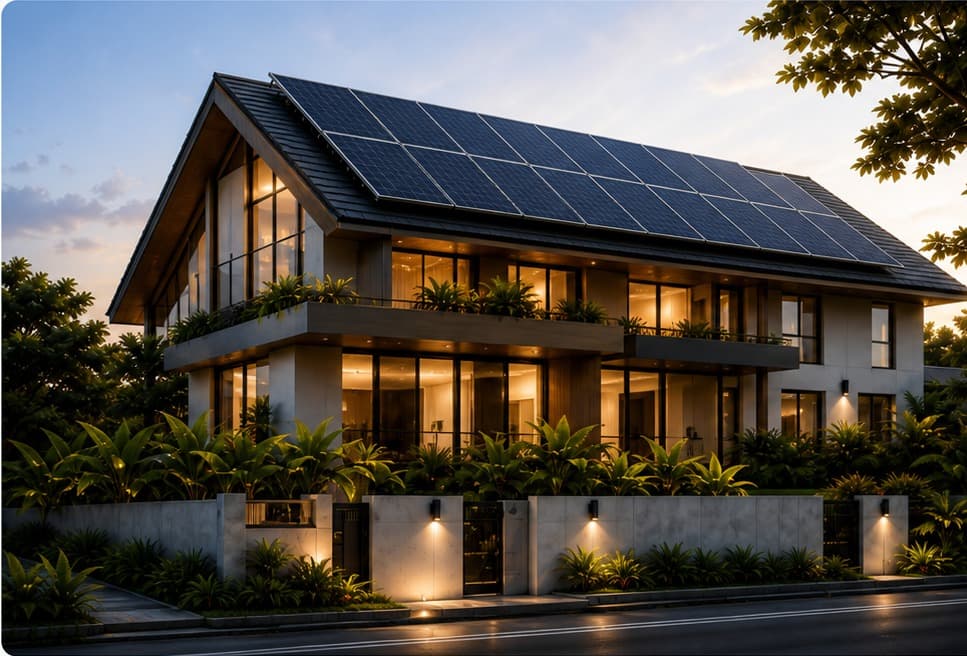
7 Questions to Ask Every Solar Installer in Singapore
Seven specific questions every Singapore landed homeowner must ask before signing a solar installation contract, with red flags and timeline guidance.
Why should this article concern you?
- 1
Singapore has no public solar installer rating. Verify BCA license and EMA equipment approval yourself.
- 2
A 10kWp terrace house saves roughly S$3,100 per year at the Q3 2026 tariff of S$0.3478/kWh.
- 3
The wrong installer can void warranties, delay your SP Group connection by months, and leave you unprotected.

Most Singapore homeowners spend more time choosing a renovation contractor than a solar installer, and that is a costly mistake. Your solar system will sit on your roof for 25 years, interact directly with the SP Group grid, and require sign-off from both the Energy Market Authority and the Building and Construction Authority before a single unit of electricity flows. By the end of this guide, you will see exactly what separates a trustworthy installer from a risky one, and it comes down to seven questions most homeowners never think to ask.
Why the Stakes Are Higher Than a Typical Home Renovation
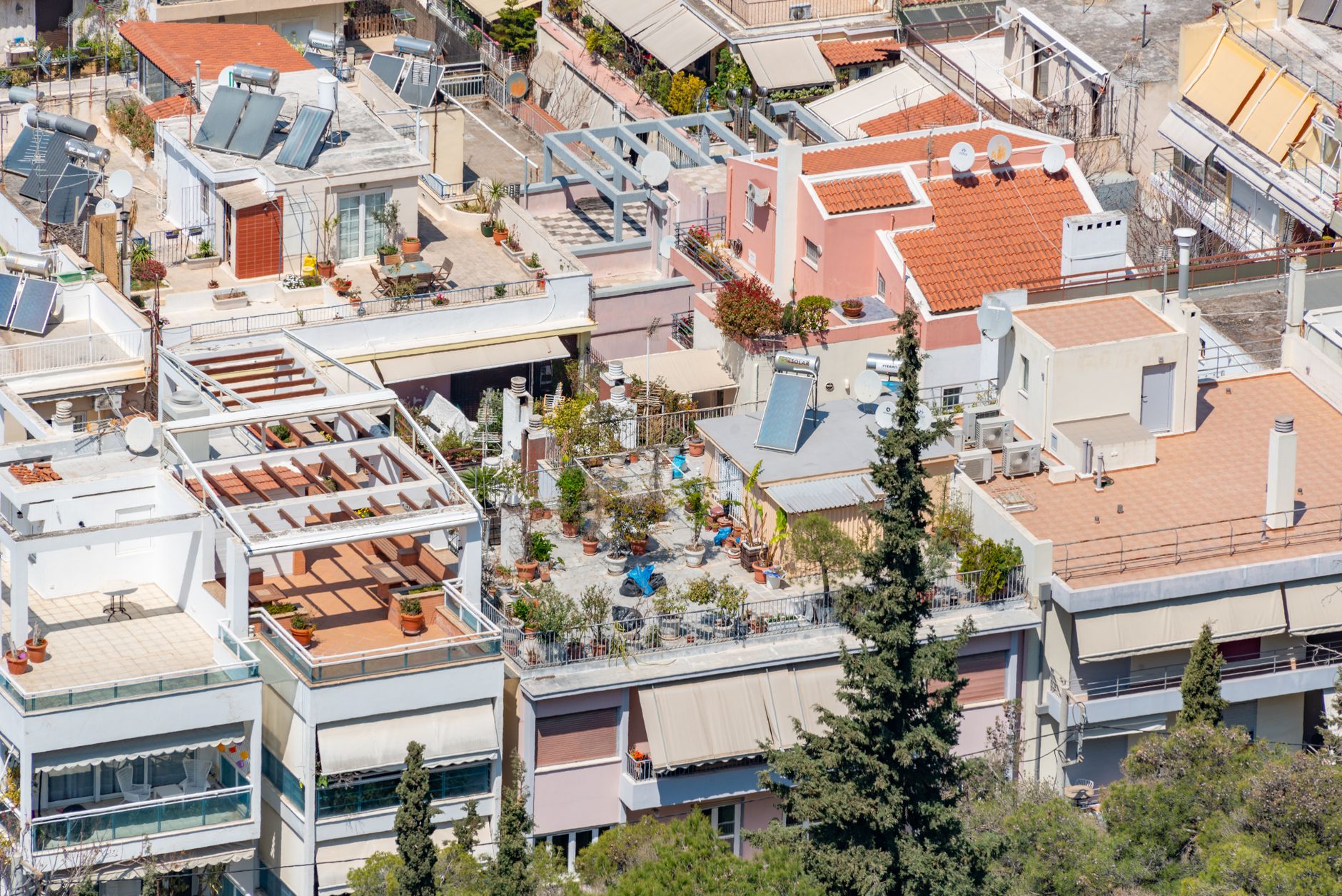
Solar is not a renovation. It is a licensed electrical installation governed by the EMA's enhanced central intermediary scheme and subject to SP Group's technical connection standards.
At S$0.3478/kWh inclusive of GST (EMA Q3 2026 regulated tariff), a properly installed 10kWp system on a terrace house generates roughly S$3,100 per year in combined savings and export income. Getting the installation wrong means months of delays, potential structural damage, and a system that either fails inspection or never earns a single cent from export credits.
The 7 Questions: Ask All of Them and Reject Any Installer Who Deflects
1. What is your BCA electrical contractor license number? Every solar installer in Singapore must hold a valid electrical contractor license issued by the Building and Construction Authority. Ask for the number, then verify it yourself on BCA's public register. Any hesitation is a red flag you cannot ignore.
2. Are all the panels and inverters on EMA's approved equipment list? EMA maintains a list of solar panels and inverters approved for grid connection in Singapore. Equipment not on this list will fail the SP Group interconnection test, and your system will not be allowed to export. Ask the installer to show you the exact model names and cross-check them at EMA's solar resources page before signing anything.
3. How many SP Group grid connection applications have you completed in the last 12 months? SP Group's interconnection paperwork is specific, technical, and time-sensitive. Inexperienced installers routinely cause delays of 3 to 6 months (Sunnify estimate based on installer feedback) simply by submitting incomplete documentation. You want an installer who files these applications weekly, not one for whom yours will be a learning exercise.
4. Who specifically handles the SP Group interconnection paperwork, and are they in-house? Some installers outsource the regulatory filing to a third party. That creates a gap in accountability. If the outsourced agent makes an error, the installer blames the agent, the agent blames the installer, and you wait. Insist that the person managing your SP Group application is a named, in-house employee with a contact number.
5. Does the quote include a structural load assessment by a licensed engineer? Your roof was not designed with 15 to 25 kg per panel in mind. Every reputable installer commissions a structural load assessment before installation begins. If your quote omits this, the cost is being hidden or skipped entirely, and the risk lands on your terrace house, not on the installer.
6. What are the exact warranty terms for panels, inverter, and installation workmanship? The industry standard is 25 years for panel output (typically guaranteeing no less than 80% of rated output at year 25), 10 years for the inverter, and 5 years for installation workmanship. Any shorter terms signal that the installer is not confident in the equipment or their own work. Get all three in writing, in the contract, before you sign.
7. What happens to my system and my warranties if your company closes down? Singapore's solar industry includes dozens of small operators, and some will not survive the next market cycle. Ask directly: is the panel warranty backed by the manufacturer independently of your company? The honest answer from a good installer is yes, and any other answer tells you what you need to know.
Red Flags in Quotes That Should Make You Walk Away

A quote that arrives within 24 hours of a site visit is almost always a generic estimate, not a site-specific one. Your terrace house roof has a specific pitch, orientation, shading profile, and structural history, and a credible installer needs time to assess all of that before quoting.
Watch for these specific red flags in any written quote: no mention of a structural load assessment, inverter brands not listed by model name, vague warranty language like "as per manufacturer", no named person responsible for SP Group filing, and payment terms that require more than 30% upfront before any work begins. A legitimate installer with healthy cashflow does not need your money before the site survey is complete.
Note: Confirm installer credentials at the BCA licensing register and at the Solar Energy Research Institute of Singapore before engaging any contractor.
What the Timeline Looks Like When Everything Goes Right
A well-run installation on a Singapore terrace house follows a clear sequence: site survey and structural assessment takes 1 to 2 weeks; equipment procurement and scheduling takes 2 to 4 weeks; physical installation takes 1 to 2 days. SP Group application and meter change then adds 4 to 8 weeks, bringing first export to grid to typically 8 to 14 weeks from contract signing.
Delays almost always originate in the SP Group application phase and almost always stem from incomplete documentation submitted by an inexperienced installer. You can check whether your terrace house roof qualifies before you even approach an installer, which shortens the site survey stage considerably.
The Number That Puts the Installer Choice in Perspective
A good installer costs the same as a bad one on paper. The difference shows up in the next 25 years of your electricity bill.
At current tariff rates, a 10kWp system on a typical Singapore terrace house saves roughly S$3,100 per year in grid costs and export income combined. Over 25 years, accounting for modest tariff increases and standard panel degradation, that represents well over S$80,000 in accumulated value flowing from your roof (Sunnify estimate).
A system that sits in SP Group limbo for an extra six months because of bad paperwork costs you approximately S$1,550 in lost savings before a single unit exports (Sunnify estimate, based on S$3,100 annual savings). A system installed without a structural assessment that causes roof damage wipes out years of savings in a single repair bill.
The extra hour you spend verifying BCA licenses and asking these seven questions is the highest-return activity in your entire solar journey. When you sit down to compare quotes, review the full ROI breakdown for Singapore landed homes alongside each installer's responses to these questions.
Your Move: What to Do Before You Sign Anything
When you have your seven answers in hand and your BCA checks are done, run your terrace house through the Sunnify solar estimate so you walk into every quote conversation already knowing what a fair deal looks like at the current S$0.3478/kWh tariff. Get all three warranty terms, panel output for 25 years, inverter for 10 years, and workmanship for 5 years, written into the contract before a single panel touches your roof.
When your system passes SP Group inspection and your meter flips to export mode, you will know the paperwork was filed right the first time. That is what a full year of S$3,100 in savings with nothing delayed, nothing voided, and no repair bills feels like from your terrace house.
How do I verify a solar installer's license in Singapore?
Search the installer's company name or license number on the BCA licensing register. Every legitimate solar installer must hold a valid electrical contractor license. You should also confirm that the specific panels and inverter models they propose appear on EMA's approved equipment list.
How long does SP Group grid connection take in Singapore?
When your installer submits complete documentation the first time, SP Group's interconnection process typically takes 4 to 8 weeks from application to meter change. Inexperienced installers who submit incomplete paperwork can extend this to 3 to 6 months, costing you thousands in delayed export income.
More from Sunnify Solar Releases