What Is a Kilowatt-Hour? Solar Energy Explained for Homeowners
kW is power (the rate of flow), kWh is energy (the total amount used or generated), and kWp is peak panel capacity under ideal lab conditions. Understanding these three units is all you need to read a solar quote or an SP Group bill accurately.
Key Takeaways
- 1
A kilowatt (kW) is power — how fast electricity flows. A kilowatt-hour (kWh) is energy — how much electricity you have used or generated over time
- 2
One standard 9,000 BTU aircon unit running for two hours uses approximately 3 kWh, which costs S$1.04 at the Q3 2026 tariff
- 3
A 10kWp solar system does not produce 10kW continuously — it produces a peak of 10kW only when receiving full sunlight, generating about 1,106 kWh per year per kWp installed

Three units appear on every solar quote and every SP Group bill: kW, kWh, and kWp. Confusing them is extremely common, and the confusion leads to unrealistic expectations about what a solar system will produce. This is the shortest, clearest explanation of all three, grounded in Singapore appliances and tariff figures you already know.
kW, kWh, and kWp: The Core Distinction
A kilowatt (kW) is a measure of power, how fast electricity is being used or produced at any given moment. Think of it as a tap flow rate. A typical 9,000 BTU split-unit aircon in Singapore uses about 1.5 kW while running. Your electric kettle uses about 2 kW. A standard wall socket provides up to 3.3 kW.
A kilowatt-hour (kWh) is a measure of energy, the amount of electricity used over a period of time. It is what SP Group bills you for and what your solar system generates. If your 1.5 kW aircon runs for two hours, it uses 3 kWh. At the Q3 2026 tariff of S$0.3478/kWh, that 3 kWh of aircon costs you S$1.04. This is the figure on your bill, accumulated for every appliance you run across the whole quarter.

What kWp Means on a Solar Quote
A kilowatt-peak (kWp) is the capacity of a solar panel or system under Standard Test Conditions, full sunlight (1,000 W/m²), panel temperature at 25°C, no shading, no cable losses. It is a lab rating, not a real-world output. Your 10kWp system will never produce exactly 10kW in Singapore, because real conditions are never exactly STC conditions.
What a 10kWp system does produce: an average of about 1,106 kWh per year per kWp in Singapore. So a 10kWp system generates approximately 11,060 kWh per year. At the Q3 2026 tariff (blending self-consumption savings and export credits), this translates to approximately S$3,103 in annual value. The conversion from kWp to kWh to dollars is how every payback calculation works.
How to Find the kWh on Your SP Group Bill
Your SP Group bill shows kWh consumed in two places. The first is in the meter reading section, the difference between your current and previous meter readings is your consumption in kWh for the billing period. The second is in the charges summary, the total kWh figure multiplied by the quarterly tariff to give the electricity cost line.
For Singapore households without solar, average monthly consumption ranges from about 350 kWh per month for a small 3-bedroom terrace to 600 to 900 kWh per month for a larger household with multiple aircon units, a pool pump, or a home office. Your exact figure is on the bill. Knowing your monthly kWh consumption before you talk to an installer is one of the most useful inputs for sizing a solar system, an installer who asks for your bill rather than just your roof area is doing the assessment properly.
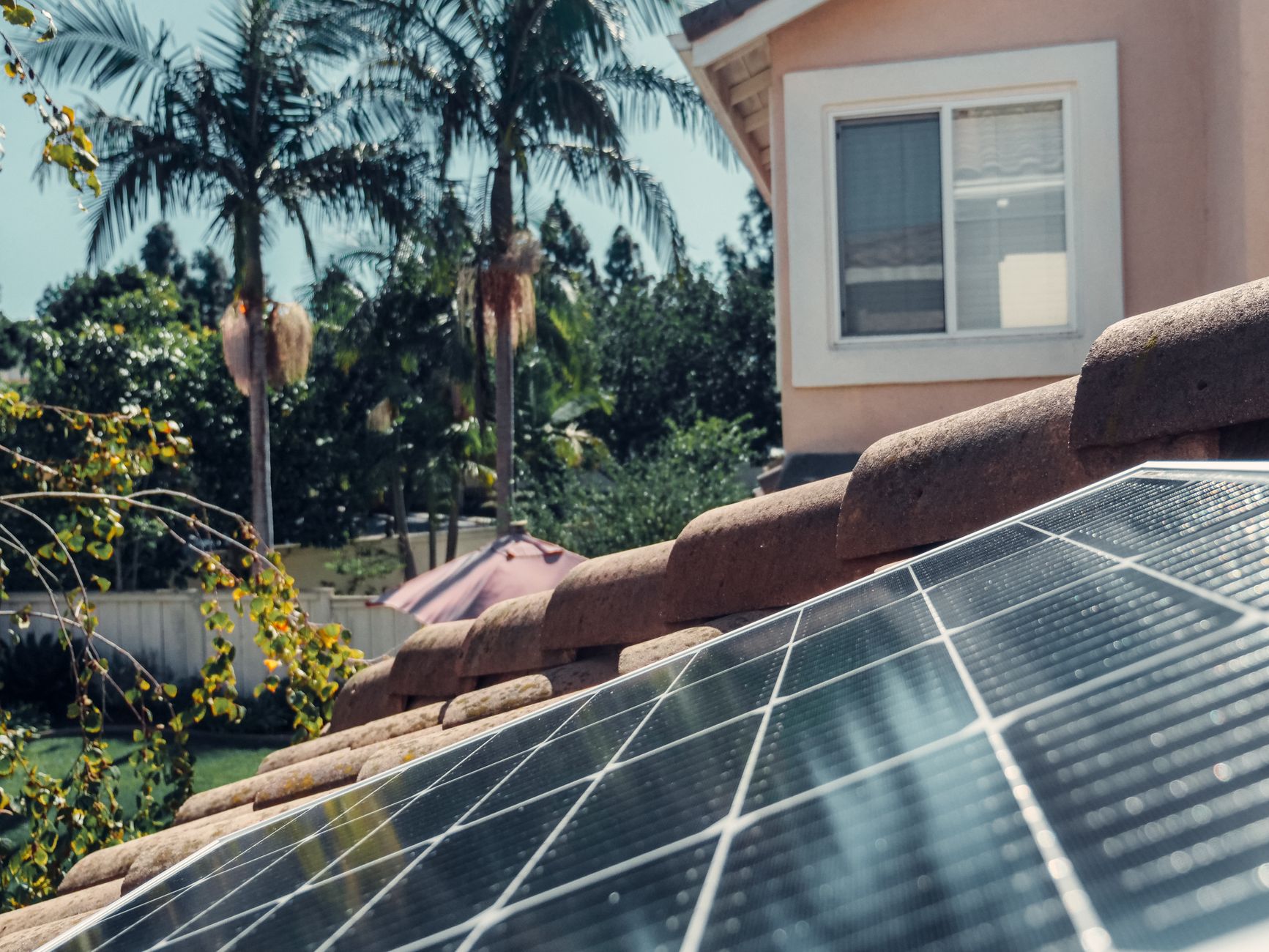
kWp is how big the system is. kWh is what it actually does. The gap between those two numbers is weather, location, roof angle, and physics — and Singapore's location makes that gap smaller than almost anywhere in the developed world.
One more unit that comes up: MWh (megawatt-hour) equals 1,000 kWh. You may see this in Singapore government statistics about the national solar capacity. A 10kWp residential system generates about 11 MWh per year. Singapore's entire national solar generation target for 2030 is roughly 4,000 GWh per year (4 million MWh). Residential landed home systems contribute a meaningful share of that target.
Enter your estimated monthly kWh consumption in the Sunnify estimate tool to see how a system sized for your home performs against your actual usage. The cost guide shows how consumption drives the self-consumption ratio, which in turn shifts your annual saving and payback period.
Further reading: EMA Singapore energy statistics · NEA household energy efficiency guide.
Why does a 10kWp system not generate 10kW all the time?
The kWp rating is measured under Standard Test Conditions: 1,000 W/m² of irradiance, 25°C panel temperature, air mass 1.5. Real conditions in Singapore are rarely exactly STC conditions. Panels run hotter than 25°C in direct sunlight (often 45–55°C cell temperature), reducing output. Clouds reduce irradiance below 1,000 W/m². Cable resistance, inverter conversion, and DC-to-AC losses take a further 20 to 30%. So a 10kWp system realistically produces a peak of 7 to 8kW on a clear Singapore morning with the sun well-positioned. The 1,106 kWh per kWp per year figure already incorporates all these loss factors.
How many kWh does a Singapore landed home use per month?
Singapore households vary significantly. A 3-bedroom terrace with 2 adults and no live-in helper typically uses 350 to 500 kWh per month. A 4-bedroom semi-D with a helper, multiple aircon units running at night, and older appliances might use 550 to 800 kWh. A large bungalow with a pool, multiple helper rooms, and extensive aircon use can exceed 1,000 kWh per month. Check your last three SP Group bills and average the monthly kWh figure, this is more accurate than any estimate based on property type alone.
See your numbers
What does this mean for your home?
Tariffs and technology change the math. The calculator uses current SP figures to show your actual payback and savings.