EMA Solar Rules Singapore: The Complete 2026 Guide
EMA's 2026 rules for residential solar in Singapore: LEW certification, approved equipment lists, system size limits, and SP Group grid connection explained.
Why should this article concern you?
- 1
EMA requires a Licensed Electrical Worker to certify every residential solar installation in Singapore.
- 2
A correctly installed 10kWp terrace house system saves S$3,100 per year at S$0.3478/kWh.
- 3
Using unapproved equipment means SP Group will refuse grid connection, permanently blocking export income.

Every terrace house owner asking about solar in Singapore hits the same wall: a thicket of EMA rules, LEW requirements, and SP Group forms that nobody explains clearly. Get one step wrong and SP Group will not connect your system to the grid, which means your panels sit on the roof generating electricity you cannot export and cannot earn from. By the end of this guide, you will know exactly what the rules are, who handles each step, and the one document you must verify before you sign anything with an installer.
What EMA Actually Requires for Residential Solar

The Energy Market Authority sets the legal framework for every solar photovoltaic system connected to Singapore's grid. The framework rests on three pillars: a licensed professional must certify the work, only approved equipment can be connected, and the system must stay within defined size limits for your property class.
The Licensed Electrical Worker, known as an LEW, is the professional whose name goes on the certification paperwork. An LEW is not just any electrician. They hold a specific licence from EMA that authorises them to certify electrical installations, and a solar system connecting to the grid qualifies as a notifiable electrical installation.
Your installer almost certainly has an in-house LEW or works with one. Before you sign a contract, ask for the LEW licence number and verify it directly on the EMA Licensed Electrical Workers registry. Takes thirty seconds. If your installer hesitates when you ask, that is your answer about whether to use them.
System size limits for residential properties follow a straightforward rule. For most Singapore landed homes, the allowable system size is capped at the export capacity your connection can handle, typically up to 10kWp for a standard single-phase supply or up to 20kWp for a three-phase connection. Confirm your connection type with SP Group before sizing your system, because oversizing relative to your approved capacity wastes money on panels that cannot legally export.
What to Verify Before Your Solar System Goes Live
Sunnify Solar guide · Verify all equipment and licence numbers against current EMA registry at time of contract signing
The Approved Equipment Requirement That Trips Most Homeowners
EMA maintains an approved list of inverters and solar panels that may be connected to the Singapore grid. Your installer must use equipment from these lists. There is no flexibility here, no workaround, no exception granted after installation.
The practical implication is significant: a cheaper inverter sourced from overseas that does not appear on EMA's approved list will result in SP Group refusing the grid connection application outright. You would own a functioning solar array that earns nothing from export and that technically operates outside regulatory approval.
When you receive an installer's proposal, the equipment specification sheet should list the exact inverter model and panel model. Cross-check both against the EMA approved equipment registry before you accept the quote. Reputable installers build their proposals entirely from approved equipment as a matter of course. Any installer who cannot immediately confirm their equipment's approved status is a red flag.
Note: The EMA approved equipment list updates periodically, so verify the specific model numbers your installer proposes against the current list at the time of contract signing, not just at the time of this guide's publication. Confirm at EMA's solar PV page.
SP Group Grid Connection: What the ECIS Process Looks Like
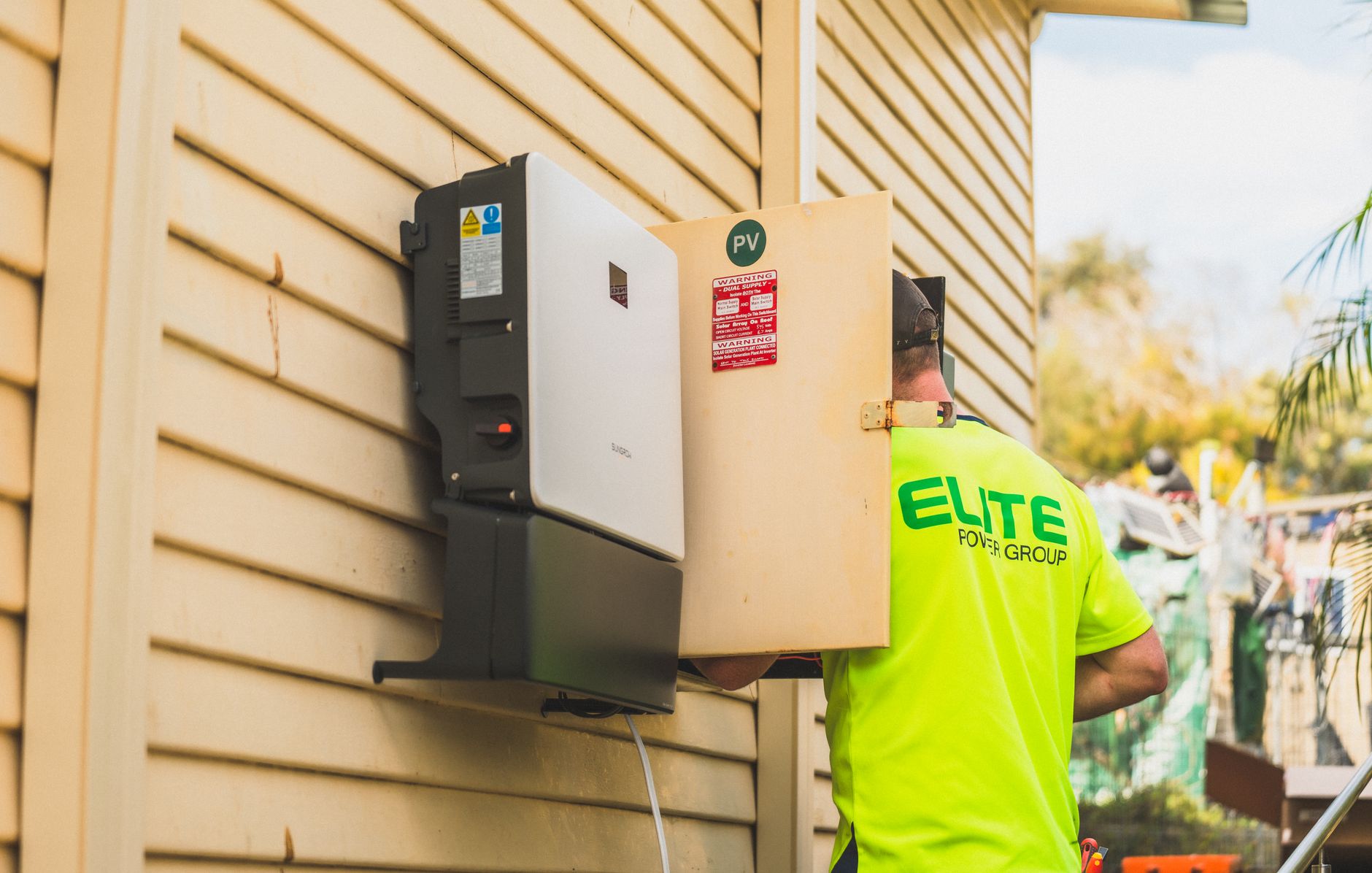
Connecting your approved solar system to the national grid runs through SP Group's Enhanced Central Intermediary Scheme, known as ECIS. The ECIS is the formal channel through which distributed generation installations, including your rooftop solar, register with the grid operator and begin exporting under the Solar Contestable Tariff.
Here is how the process divides between you and your installer. Your installer submits the technical application, provides the equipment specifications, and coordinates the LEW certification documents. You sign the Connection Agreement with SP Group, which is the legal instrument that authorises the bi-directional meter installation and establishes your export arrangement.
The bi-directional meter replaces your existing single-direction meter. SP Group installs it, and the cost is typically around S$40 per month as a meter service charge reflected on your bill, though the exact fee should be confirmed with SP Group at the time of your application since charges can change. The meter records both consumption from the grid and export to the grid separately, which is how your Solar Contestable Tariff credits of S$0.2581/kWh get calculated each month.
Timeline from application submission to energisation typically runs four to eight weeks, depending on SP Group's processing queue and whether any additional technical reviews are required for your specific property. Your installer should manage the application submission and keep you updated on progress. If they go quiet after installation, follow up directly with SP Group using your Connection Agreement reference number.
Your Numbers Once the Rules Are Satisfied
A 10kWp system on your terrace house generates approximately 11,060 kWh per year, based on Singapore's 1,580 kWh/m²/year solar irradiance and standard system losses (a Sunnify estimate using EMA generation benchmarks). At the current tariff of S$0.3478/kWh inclusive of GST, that generation is worth serious money.
Assuming 25% self-consumption and 75% export, your terrace house saves approximately S$961 per year on grid purchases and earns approximately S$2,142 per year in export credits, for a combined annual benefit of around S$3,100. Over ten years, that is S$31,000 in cumulative benefit against a system cost of S$10,000 to S$16,000. The payback sits between 3.2 and 5.2 years, with more than two decades of essentially free generation following it.
None of those numbers materialise if your system does not pass EMA's regulatory requirements. The LEW certification, the approved equipment, the ECIS application: each one is a gate. Miss any gate and SP Group does not connect the meter, and the export income never starts. To see what these figures look like for your specific roof size and usage, run your Sunnify solar estimate with your actual consumption data.
Each month without grid connection is a month your panels generate electricity you cannot export. The rules are not complicated, but they are non-negotiable.
The homeowner's role in this process is narrower than most people assume. You verify the LEW licence before signing the installer contract. You review the equipment list to confirm approved models. You sign the SP Group Connection Agreement. Everything else, the technical submissions, the LEW certification paperwork, the ECIS application, the meter swap coordination, falls on your installer.
Choosing an installer who has completed dozens of ECIS applications is not a nice-to-have. It is the difference between a smooth four-week process and a drawn-out back-and-forth with SP Group that delays your energisation by months. Ask your installer for the reference numbers of their last three completed ECIS applications. A competent installer will have them ready. For a full breakdown of what a compliant installation costs in 2026, see the Singapore solar panel cost guide.
When you receive your first bi-directional meter bill after energisation, the export credit line will show S$0.2581/kWh multiplied by your exported units. That is SP Group paying you for every unit your panels push to the grid. The rules exist precisely to make that payment reliable, safe, and legal. Follow them and the system works exactly as the numbers promise.
What does this mean for your home?
- Verify your installer's LEW licence number on the EMA registry before signing. A thirty-second check eliminates the risk of an uncertified installation that SP Group will reject at the connection stage.
- Confirm every piece of equipment is on EMA's approved list before the contract is finalised. Using unapproved equipment locks you out of export income permanently unless you replace the equipment at your own cost.
- Run the Sunnify solar estimate to see your specific numbers. Enter your actual monthly consumption to see your personalised payback period and annual savings at the current S$0.3478/kWh tariff.
Does the homeowner need to do anything for the EMA approval process, or does the installer handle everything?
The installer handles the technical submissions, LEW certification paperwork, and ECIS application to SP Group. You have two direct responsibilities: verifying the installer's LEW licence on the EMA registry before signing the contract, and signing the SP Group Connection Agreement that authorises the bi-directional meter and export arrangement. Confirm the full process at the EMA solar PV page.
What happens if my installer uses equipment that is not on EMA's approved list?
SP Group will refuse the grid connection application, meaning your system cannot export electricity and your bi-directional meter will not be installed. You would need to replace the unapproved equipment with approved models before resubmitting the ECIS application, at your cost. This is why confirming equipment approval status before signing the installer contract is one of the most important steps in the process. See the broader ROI picture at our guide to whether solar is worth it in Singapore.
More from Sunnify Solar Releases